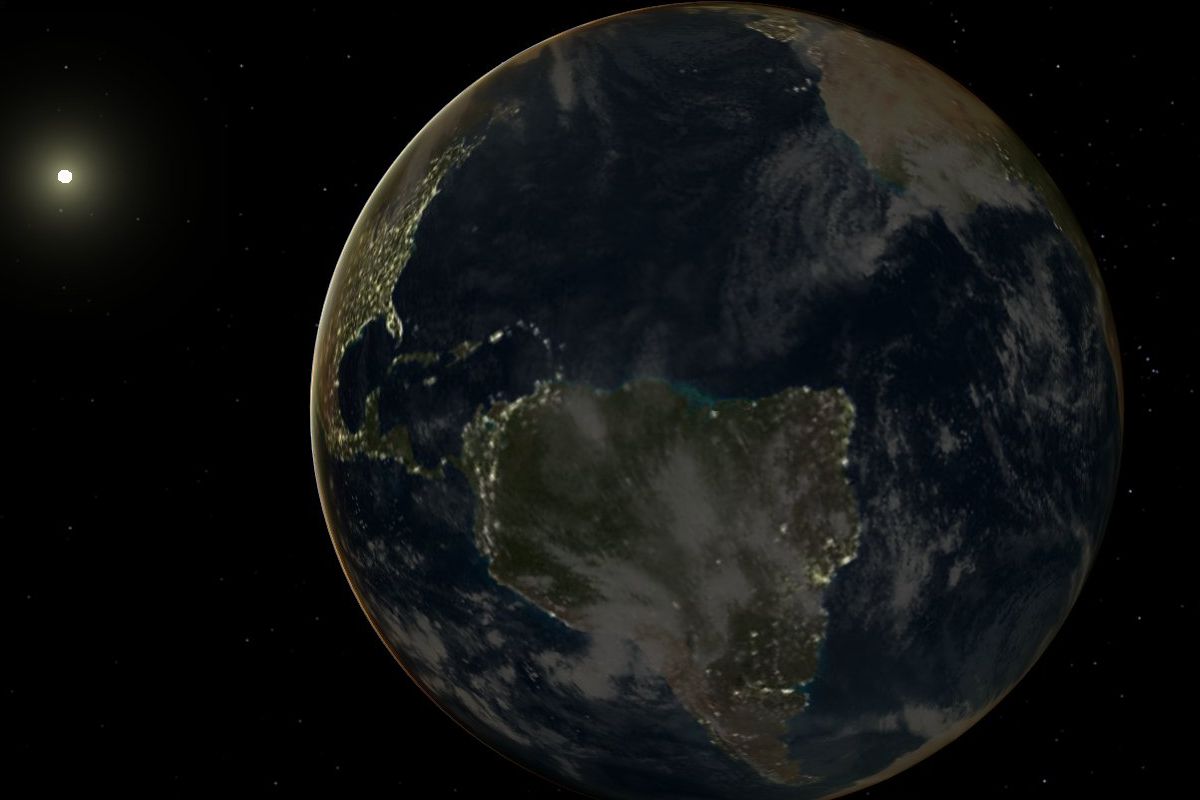
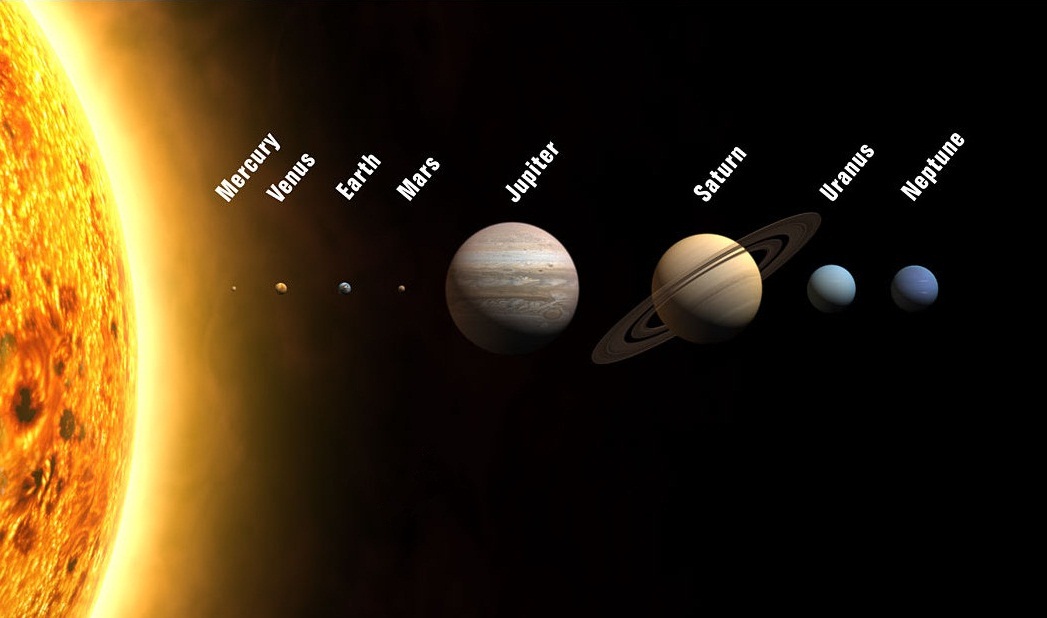
 (That’s a real-time screen shot from Celestia, a free space simulator. Highly recommended.)
We Know More Now
When I was growing up, you often heard, “Earth is a common rocky planet, in orbit around an unremarkable star, in a typical solar system, and part of a completely ordinary galaxy.” More recent research has turned that on its head.
I can (re)recommend two books here. Dr. Hugh Ross details in Designed To The Core how our Solar System’s (and thus Earth’s) location is critical for intelligent life. Dr. John Gribbin delves relentlessly into a number of things that make our Solar System, Sun and Earth unique in Alone In The Universe. We’ll return to Gribbin in a moment.
Dr. Ross points out that we’re located in a special “sweet spot” within the Milky Way. There’s now abundant evidence that our system initially formed much closer to the galactic center, then migrated outwards to its present location, away from the radiation and gravitational hazards nearer the galactic core.
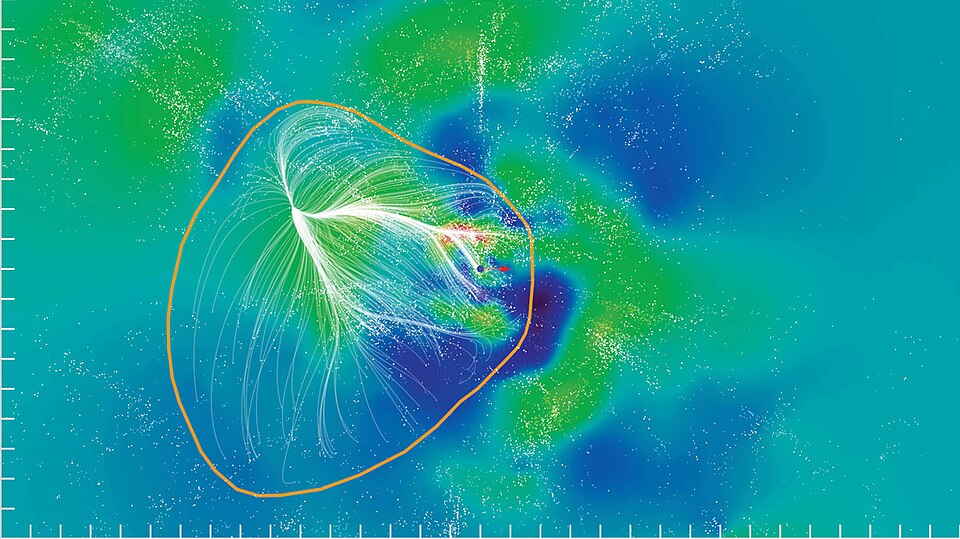
Our solar system now lives between spiral bands in a gap called the Orion Spur. As I mentioned earlier, we’ve stayed in this nice spot for billions of years because we’re in a corotation orbit. The Milky Way galaxy itself is located in a relatively sparse region of space, off to the edge of the Laniakea Supercluster, which is home to around 100,000 galaxies. Again, Dr. Ross has the details.
But enough geek stuff. It’s time for more fun!
 Life On Other Planets?
Imagine, if you will …
Somewhere out there is a giant planet, larger than Jupiter, weaving a complex figure-eight orbit around and between two stars. Circling that planet is a moon that is just barely habitable. Barely.
Each Tuesday, the moon’s surface is scoured by hot gas. Wednesdays are Big Meteorite Impact Day. The inhabitants celebrate with barbeque, cooked the day before. Nice and crispy. Food should be a challenge, just like the rest of life.
(But don’t ask about Thursdays. It ain’t pretty.)
These creatures can chew through solid rock. They live underground and have a culture that makes the Klingon Empire look warm and fuzzy. They “see” with radar and “talk” with blue flame.
For them, technology is a means to an end: a means to END anything that annoys them (ba-dum tish).
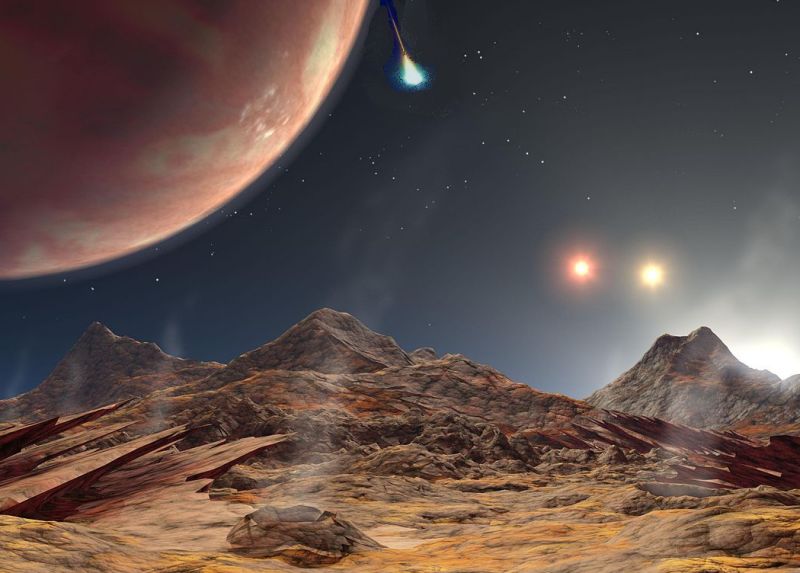
One guy is working on a way to more efficiently vaporize an irritating neighbor. (This takes work; his people aren’t easy to kill.) He tinkers, makes a few adjustments —
He stops. Scans his workbench. Ponders. A smile that would terrify a velociraptor slowly creaks over his face.
Dude double-checks his math … then roars in delight. Blue flame flies everywhere. The children scatter, screaming in fear. He barely notices.
He’s figured out how to travel faster than light!
He builds a spaceship. (No welder needed; he crimps the metal together with his teeth.) He and his chums load it with food and with weapons that make our stuff look like pool noodles.
They gnaw a hole, drag the ship to the surface and head off into the void. Time to explore!
Relax.
That’s actually not likely at all … and that’s the purpose of this part of my little e-tome. That example was just for fun and I’ll admit that it was unfair; a figure eight orbit around two stars would be insanely unstable. But what about a nice, Earth-like planet in the habitable zone around a stable star?
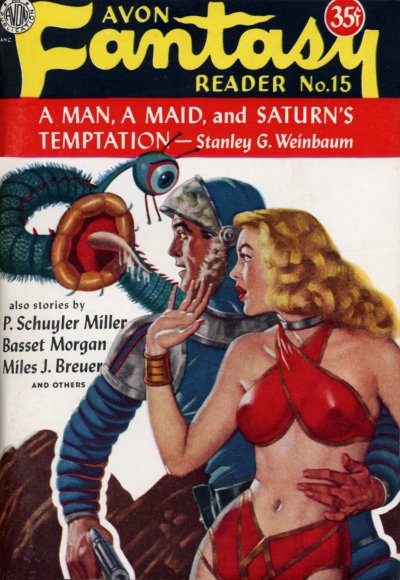
SETI (the Search for Extraterrestrial Intelligence) presents one side of the argument: there must be other alien civilizations “out there.” We’re finding planets around other stars all the time now; there are estimates that there could be millions of the things just in our region of the galaxy, much less the entire Cosmos. Some of those have to be “just right” for life. Don’t they?
Not necessarily. Red dwarf stars, the most common, are prone to killing flares and the “life” zone is in close, so any candidate planet would become tidally locked. If the star is much larger than our Sun, the habitable zone would be billions of miles away; your “seasons” (assuming you had any) would last for centuries.
Those aren’t necessarily killers, but they do reduce the odds dramatically. The larger the star, the shorter its life, too. If it’s big enough, it’ll end that short life as a supernova.
(One can imagine an Oliver Hardy-style alien looking up at the sky and muttering to his Stan Laurel look-alike friend, “well, this is a fine mess we’ve gotten into. We’ve just discovered fire and now our star is acting strange …”)
The Rare Earth
The opposite view has been called the Rare Earth hypothesis: life could be common “out there,” but intelligent life and technological civilizations are exceedingly rare.
Dr. John Gribbin would certainly agree. Gribbin’s book, Alone In The Universe, is based on recent supercomputer simulations; he concludes that Earth is probably the only planet in our galaxy where intelligent (again: don’t miss that word) life could have arisen.
Gribbin begins with billions of stellar possibilities in the Milky Way, then starts trimming. The location in the galaxy is critical, as already mentioned, and this eliminates most candidates to start with. He then turns to what makes our Earth unique.
A host of things worked together, like a choreographed dance, to make our Earth an ideal home for intelligence, advanced technology and multiple cultures.

Computer Models (And Joe Dirt)
I have a weird sense of ‘yumor. (You may have noticed.) My fevered mind drew a strange picture (to the accompaniment of the “Looney Tunes” song) while reading Gribbin’s discussion of the computer models. It doesn’t actually go like this, but …
I imagine a bunch of scientists running a simulation, trying to model the formation of our solar system. They set it up, click “Run” … and a chorus of Joe Dirt-like voices says, “daaaang.” Failure. Try again; “daaaang.” Failure. Rinse, repeat, wipe hands on lab coat. Over and over.
On one run, a monstrous “hot jupiter” forms, then wallows and wobbles in toward the star, eating everything else in the system. “Daaaang.” Next run: you get two stars that orbit each other like yo-yos, eating and ejecting planets right and left. “Daaaang.” Even on those runs where they get planets, the orbits are elliptical and unstable over the long term.
What’s amazing, though, is what they discovered when they finally were able to model our solar system.
The following is my interpretation of Gribbin’s book, which is based on these models. As usual, I will leave out a bunch of arcane details and take some liberties with the chronology.
But imagine, if you will …
The Primordial Stellar Group
Once again, let’s do a quick recap and pick up where we left off.
8-9 billion years have passed since the Big Bang. Galaxies have formed. The Interstellar Medium (ISM) is mostly hydrogen and helium gas, but repeated supernovas have slowly enriched it with a small percentage (about 1-3%) of heavier elements.
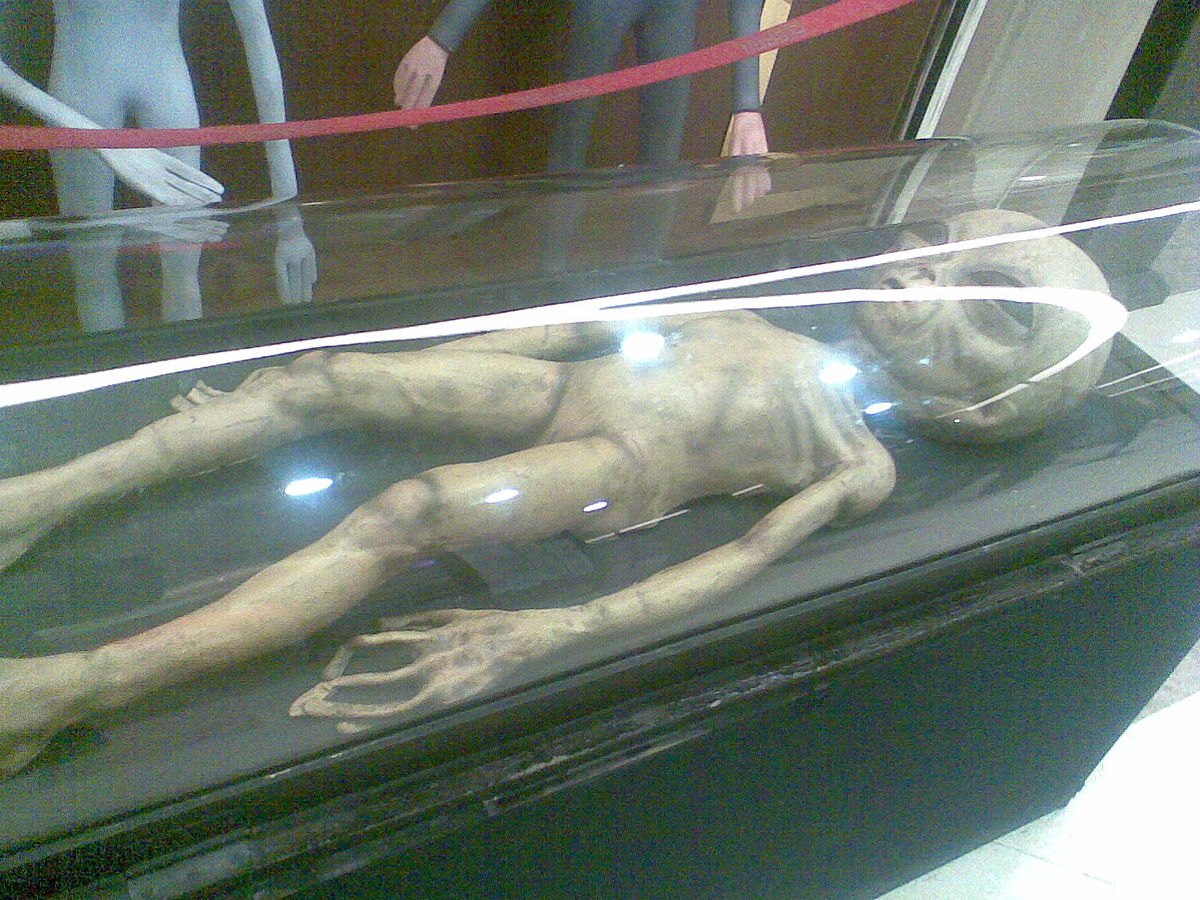
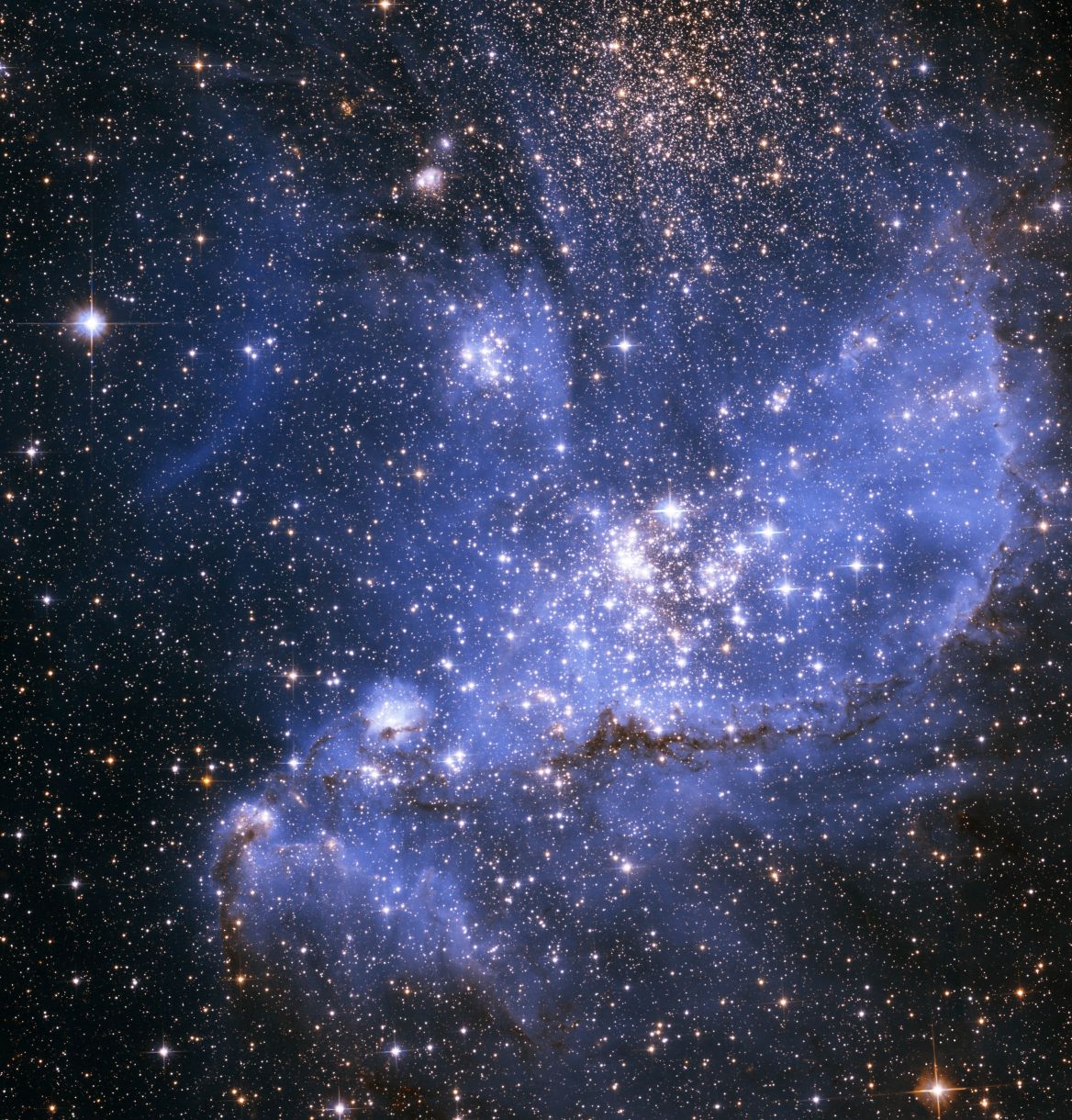
In our Milky Way, an open cluster forms with a few thousand hot young stars near the galactic center. These types of clusters are quite common (the Pleiades are a well known example). They’ll form, last for a while, then slowly dissipate and spread apart over millions of years.
This cluster migrates out to its present position in the Orion Spur. More importantly for Earth, says Gribbin, a giant star with around 30 times the mass of our Sun tags along.
Remember Betelgeuse? We discussed him previously. This star is much more massive. It will explode as a supernova … but the precise location and the timing may be the happiest “accident” in history.
A Supernova And A Special PPD
This giant star first threw off an outer shell. Some of that dust traveled about 1/10th of a lightyear; a “curdle” formed. It rotated and slowly flattened into a protoplanetary disk, or PPD.
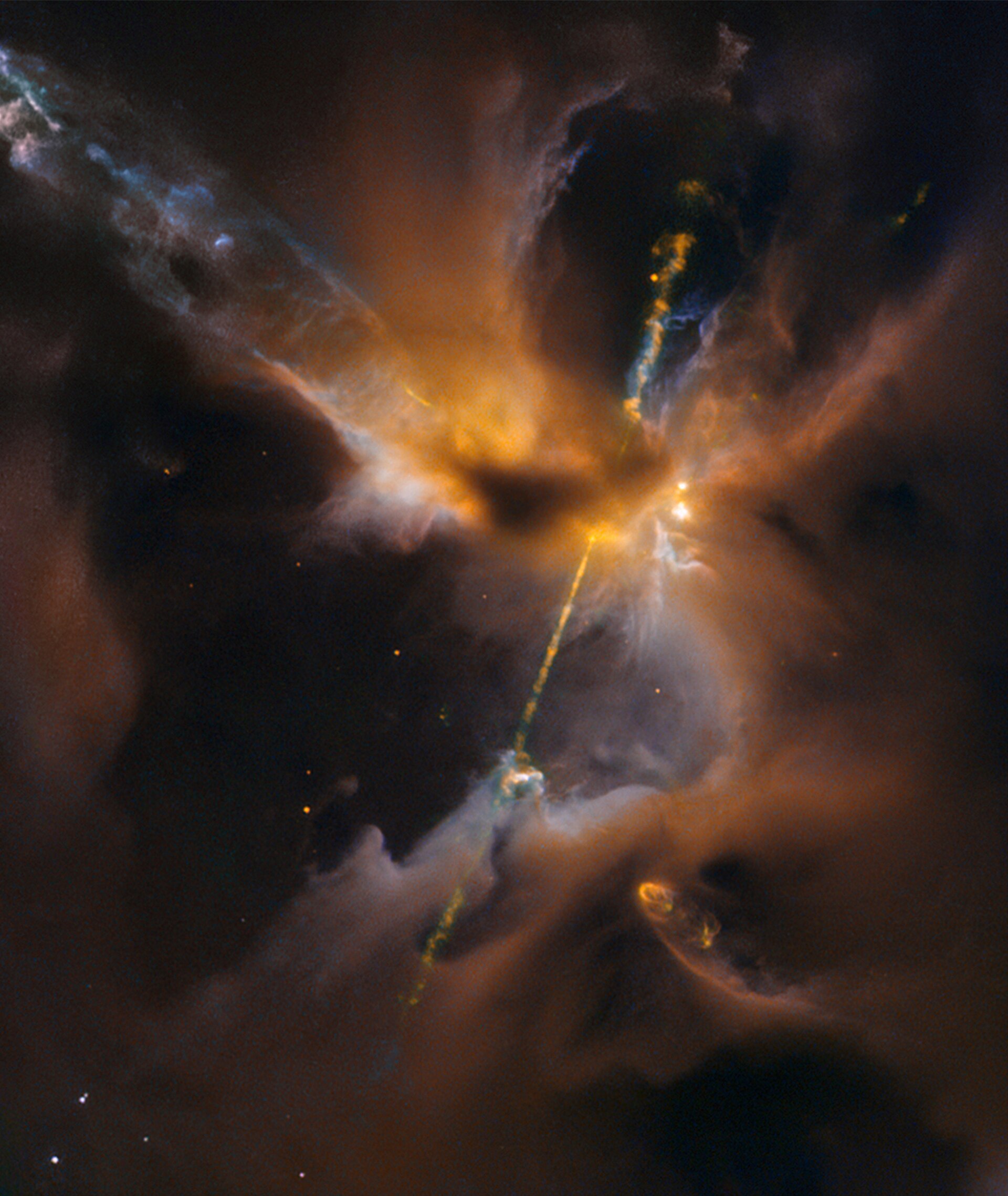
In the center of that spinning disk, our baby Sun formed. It pulled in gas from the disk and grew more massive. Eventually, fusion started. The Sun celebrated with fireworks: powerful (and beautiful) streamers from its poles called Herbig-Haro objects (see below).
Then that nearby supernova exploded, scattering a generous dose of heavy elements, including some important radioactives, into our baby solar system.
Gribbin says that the timing is quite critical. Had that supernova exploded sooner, the disk would have been ripped apart. If it had happened later, we wouldn’t have received that unusually high (compared to other star systems about the same age as ours) dose of heavier elements.
Either way, you and I probably wouldn’t be here.
The Planets Form
If we speed this up and watch from high above, the protoplanetary disk might remind you of a bunch of debris floating in a spinning pool of dirty water. (Hold that thought; it will become very important on the next page.) Tiny particles slowly clump together into larger rocks.
These are mostly traveling in the same direction, so they’re not slamming into each other at high speeds. It’s chaotic, though: some combine and form even larger rocks, some bob around in erratic, elliptical orbits and some are ejected from the system entirely.
The planets formed in the best spots to collect gas and/or dust, then migrated to their present positions. Close to the Sun, we have the rocky (or “terrestrial”) planets, including Earth. Farther out, the gas giants (like Jupiter) and the ice giants (like Neptune) form. See the image below, which shows the planets, in order, scaled according to size — but not distance.
If you want to get an idea of the distances, mark a straight line about 24 feet long. Place a basketball at one end and a cue ball from a billiards table at the other. That’s a rough scale model of the Earth and Moon. Not perfect, but it’ll help you visualize it.
Want to add Mars to your scale model? Stand next to that basketball and imagine a baseball almost a mile away. That’s Mars at its closest approach to Earth. The Sun? That would be a giant ball roughly 10-11 stories high, about 1-3/4 miles away.
Space B huge, y’all.
The Giant Impact
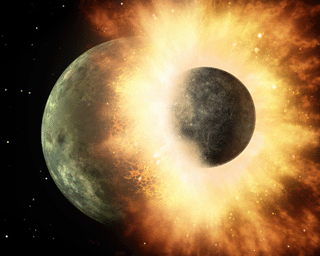
In the middle of the chaos something interesting happens: two planets form in the same orbit. One is our baby Earth; the other is a Mars-sized object in a highly unstable Lagrangian orbit.
Imagine this little planet on a pendulum anchored to the Sun. It swings back and forth; toward Earth, then away from it. Unlike the pendulum in Aunt Petunia’s grandfather clock, though, each swing gets “wider.” It comes a bit closer to Earth … then farther … then closer …
It crashes into Earth, shattering the crust and throwing debris out into space. The collider is destroyed, but the Earth has become molten; the iron-nickel core from that collider “sinks” into our planet and joins the metal already there. We gots lots of metal in the middle now.
Most of the crustal debris around the Earth would be drawn together by gravity to form our Moon — some of the models say this would only have taken a month or two!
The Moon would have been much closer to Earth at first, causing tides that literally warped Earth’s surface, keeping it molten. But this gravitational energy had a cost: the Moon migrated outward to its present position, about 240,000 miles away.
“That’s A Big Moon!”
One common storyline in science fiction is that aliens are surprised by how large our Moon is, compared to the size of the Earth. Some astronomers even consider Earth/Moon to be a dual-planet system. Gribbin says that, without a similar giant impact and large moon, it’s unlikely that those aliens could have ever evolved the intelligence to come here in the first place.
Why? Here are a few reasons. First, Earth’s atmosphere was very thick and poisonous at first. The impact stripped away most of it. It also gave us our 23 degree axial tilt, resulting in the four seasons. The moon’s present location continues to help stabilize this tilt.
Earth’s crust was shattered and the entire planet became molten; the core of the impactor drifted to the center of our planet, giving us a large iron-nickel core. The core is still molten (in part due to the radioactives from the supernova mentioned above) and acts as a dynamo, giving us a strong magnetic field to shield from extraterrestrial radiation.
Finally, of course, our Moon has significant tidal effects on the Earth. Millions of years ago, the Moon’s tides would have “washed” life out of the oceans and onto dry land. The presence of our large Moon also helps stabilize the Earth’s axial tilt.
Compare: Venus
There’s more evidence that our Moon, and the impact that created it, are critical to our existence.
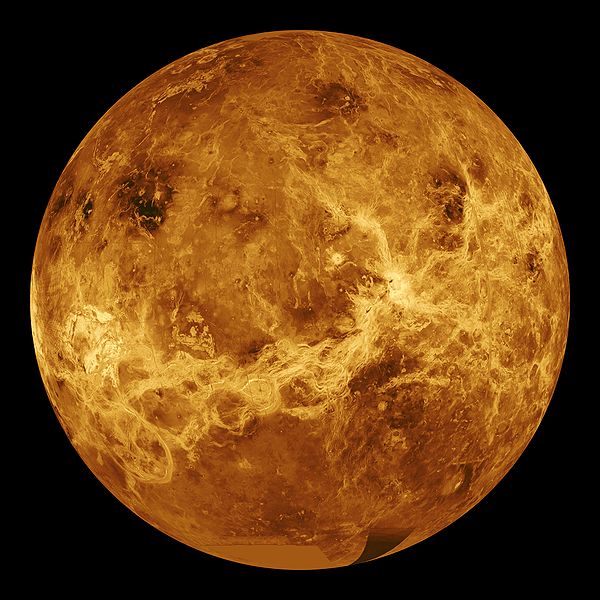
Venus is a near-twin to Earth. It’s about the same size and for years, was believed to be just a hotter version of our planet. (It’s closer to the Sun.) But many folks imagined a steamy, tropical planet with rain forests and exotic life — until the Mariner (USA) and Venera (Soviet) missions took a closer look.
The surface of Venus is way hotter than that — hotter than Mercury, which is even closer to the Sun. The reason is a runaway greenhouse effect, combined with a thick, poisonous atmosphere with a surface pressure 90 times higher than that of Earth’s. It traps solar radiation, keeping the surface temperature above 860 degrees.
The planet’s surface is also much smoother than Earth’s. Venus has no moon; there was no giant impact to create plate tectonics. Venus has a weak magnetic field, because it didn’t “swallow” a spare iron-nickel core. Solar radiation is able to attack the top layers of the atmosphere, ripping apart water molecules and causing constant, violent lightning.
Read Dr. Gribbin’s book for more details. But tonight, if you spot Venus in the sky, look at it and say, there, but for the grace of God, goes Earth.
The Bombardment
Back to the formation of our solar system. Gribbin says that the successful models have to give special treatment to the orbits of Jupiter, Saturn, Uranus and Neptune — the “giants.”
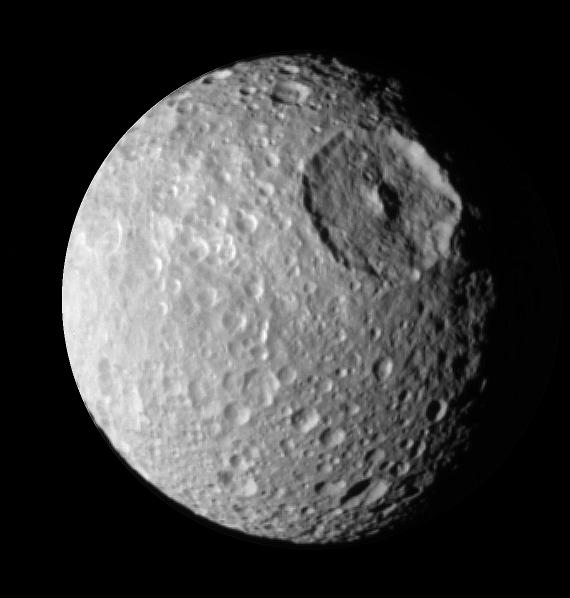
For one thing, Jupiter and Saturn are in a 2:3 resonance with each other; they’ve helped Earth maintain a relatively smooth and circular orbit for billions of years, plenty of time for intelligent life. They would also have “plucked” asteroids and comets from the icy debris field, sending them crashing into the rocky planets around the Sun.
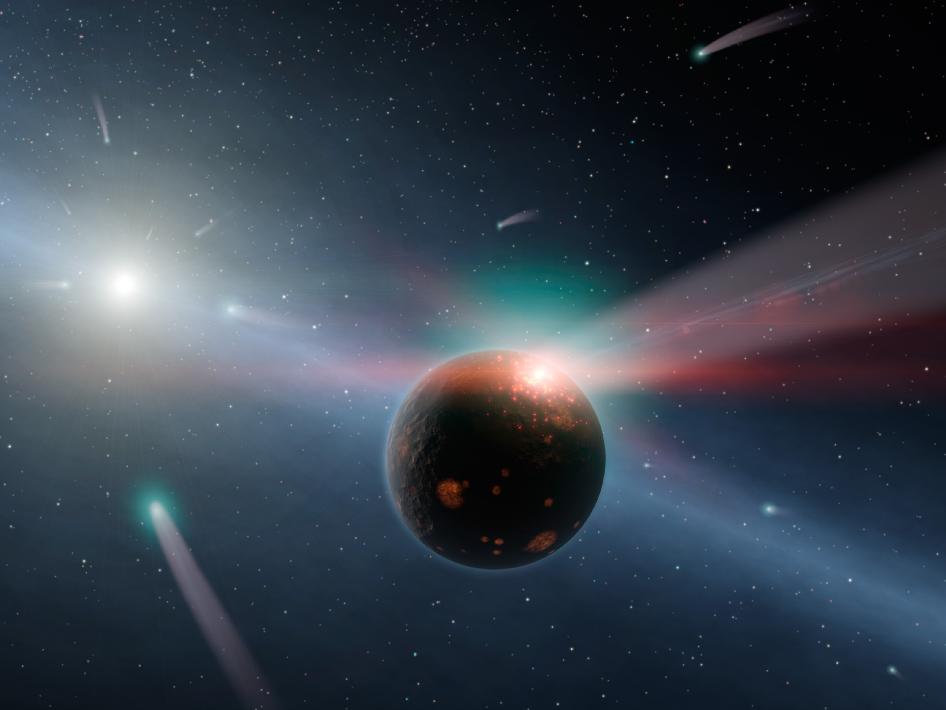
This heavy bombardment ended about 4 billion years ago. It doesn’t sound very pleasant, but you should be very glad that it happened. That’s where our air, water and the minerals that we can mine (including gold and iron) came from. (See the NASA/Spitzer image below.)
As already mentioned, the giant impact that formed our Moon meant that we would have dry land here on Earth. Venus probably was a water world at one time, but became so hot, it evaporated and was destroyed in the upper atmosphere by solar radiation.
Use the menu or click here to proceed to A Skeptic’s Guide To The Bible.